
189.5K
Downloads
129
Episodes
The latest on ob-gyn health issues and innovations, from the University of Wisconsin-Madison Department of Obstetrics & Gynecology. Not medical advice! obgyn.wisc.edu
Episodes
Wednesday Nov 14, 2018
Wednesday Nov 14, 2018
When Dr. Heidi Brown did her first urogynecology rotation during her residency training, she was struck by how much pelvic floor disorders like incontinence affected her patients' quality of life.
Since then, she has devoted her career to helping more women connect to simple, straightforward solutions that can improve or cure incontinence symptoms. In this episode, she discusses her community-based incontinence program Mind Over Matter: Healthy Bowels, Healthy Bladder -- and her plans to build an online program accessible for more women.
To see if Mind Over Matter is available near you, visit https://wihealthyaging.org/
If you're in the Madison, Wisconsin area, learn more about managing pelvic floor disorders at a free community talk on November 28! Details available at http://uwhealth.org/breakfree
Wednesday Oct 24, 2018
Wednesday Oct 24, 2018
Pelvic floor disorders are incredibly common. Nearly one in three women will talk to their healthcare provider about some kind of pelvic floor dysfunction, including incontinence or pelvic organ prolapse. We're kicking off Bladder Health Month a little early with a conversation with Dr. Christine Heisler about why people might seek help from a doctor like her.
Dr. Heisler is a female pelvic medicine and reconstructive surgeon. She discussed the causes of pelvic floor disorders and the wide variety of treatments available to patients experiencing incontinence or prolapse.
If you'd like to learn more about pelvic floor disorders, join Dr. Heisler and other UW Ob-Gyn providers for two Bladder Health Month community events! Learn more about how to Break Free from Incontinence and Pelvic Floor Disorders at uwhealth.org/breakfree.
Thursday Oct 11, 2018
Thursday Oct 11, 2018
It's hard enough for adults to bring sexual and reproductive health questions to their doctors. Can you imagine trying to talk about those same concerns as a teenager? That’s why doctors like Paula Cody are so important. Dr. Cody is a pediatrician with UW Health, and a member of the UW-Madison Department of Pediatrics faculty. She specializes in adolescent medicine. In this episode of the Women’s Healthcast, we discussed how she helps set young people (and their adults) at ease while addressing their complicated sexual health questions.
For more great information on adolescent health, check out Dr. Cody's Writes of Passage blog!
Wednesday Sep 26, 2018
Wednesday Sep 26, 2018
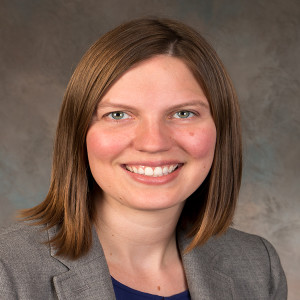
Polycystic Ovary Syndrome affects between 10 and 20 percent of reproductive-aged women, and it's the most common endocrine disorder in that group. But, according to Dr. Laura Cooney, it can be hard to identify and diagnose. Dr. Cooney is a reproductive endocrinology and infertility specialist in the UW Department of Ob-Gyn. She discussed the criteria for diagnosing PCOS, how it can affect fertility, and why she’s so passionate about helping PCOS patients.
Wednesday Sep 19, 2018
Wednesday Sep 19, 2018
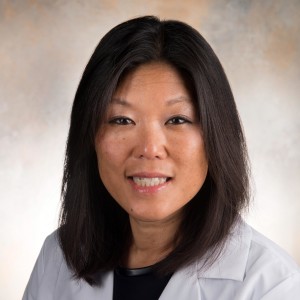
Our Gynecologic Cancer Awareness Month conversation continues with a question: What if what we think of as ovarian cancer doesn't actually originate in the ovaries? Research suggests that in many cases, ovarian cancer may actually come from lesions on the fallopian tubes. So what does that mean for detection, prevention and treatment?
Diane Yamada, MD, chief of gynecologic oncology at the University of Chicago, sat down with the Women's Healthcast after delivering a special lecture on how this knowledge changes our understanding of ovarian cancer and informs medical and surgical strategies for treating the disease.
Wednesday Sep 12, 2018
Wednesday Sep 12, 2018
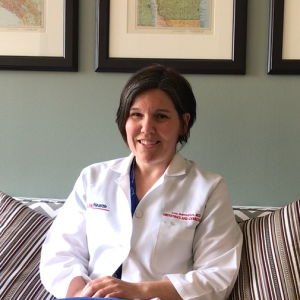
September is Gynecologic Cancer Awareness Month, which seemed like a great opportunity to learn more about BRCA. When present, BRCA mutations can increase our risk of certain types of cancer, including breast and ovarian cancer.
In this episode of the Women's Healthcast, Dr. Lisa Barroilhet talks about how BRCA mutations work, the risks and benefits of genetic testing, and what a positive BRCA test means for cancer treatment and prevention. Dr. Barroilhet is a gynecologic oncologist and ovarian cancer expert in the UW-Madison Department of Obstetrics and Gynecology.
If you’re in the Madison area and would like to support gynecologic cancer research happening at the University of Wisconsin Carbone Cancer Center, please join us on September 29 for our annual Sparkle of Hope Gala. Meet the researchers and providers working to improve gynecologic cancer care and celebrate with survivors and families. More information and tickets are available at sparkleofhopemadison.org.
Wednesday Aug 22, 2018
Wednesday Aug 22, 2018
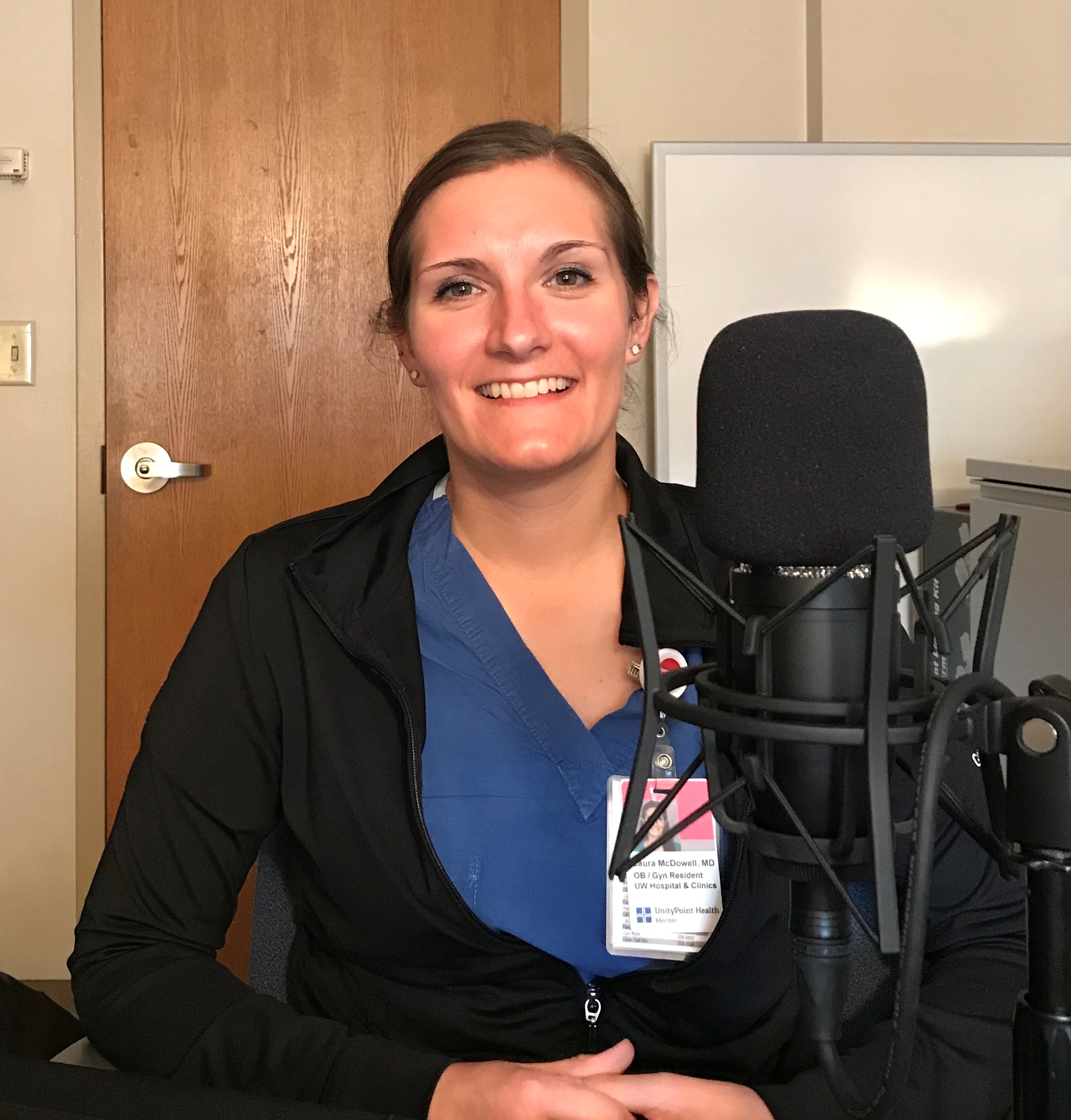
About one third of counties in Wisconsin don’t have a practicing obstetrician-gynecologist. Nationwide, it’s closer to half of all counties. And hospitals in rural communities across the country are closing labor and delivery units. This means longer travel times for prenatal care or delivery for pregnant patients. It also means basic, everyday obgyn services like contraceptive care or cancer screenings are harder to access. In this episode of the Women’s Healthcast, I talked to Dr. Ellen Hartenbach from the UW-Madison Department of Ob-Gyn to learn about the scale of this crisis in Wisconsin and beyond, and what our department is doing to help.
We also learn what motivates someone to pursue rural practice and the special skills rural physicians need to take great care of their patients from Dr. Laura McDowell, UW Ob-Gyn resident and the first physician in the country to train on a rural obstetrics and gynecology track.
Thursday Aug 09, 2018
Thursday Aug 09, 2018
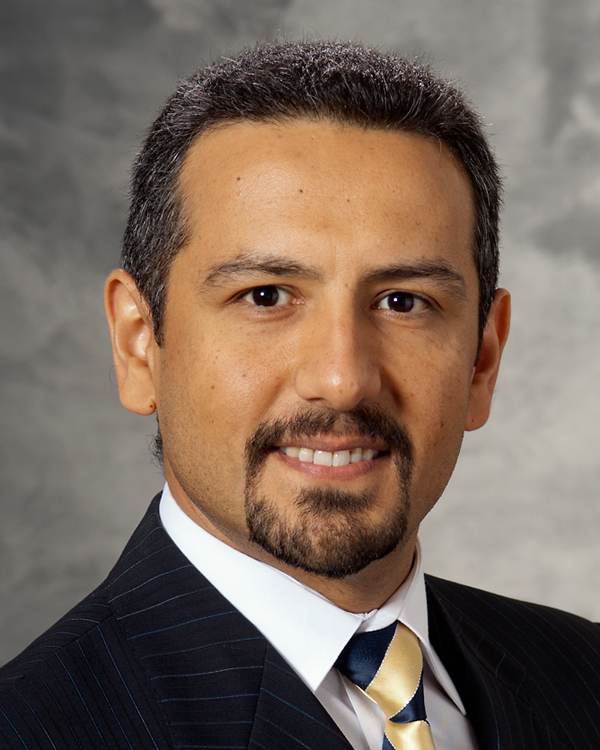
Dr. Ahmed Al-Niaimi is a gynecologic cancer surgeon in the UW-Madison Department of Obstetrics and Gynecology. He also leads the department's quality improvement efforts, with a special emphasis on improving post-surgical outcomes. In this episode of the Women's Healthcast, he discusses how he helps patients get ready for major surgeries, the most common post-surgical complications, and his Five Rules for Faster Post-Surgical Recovery.
Wednesday Jul 25, 2018
Wednesday Jul 25, 2018
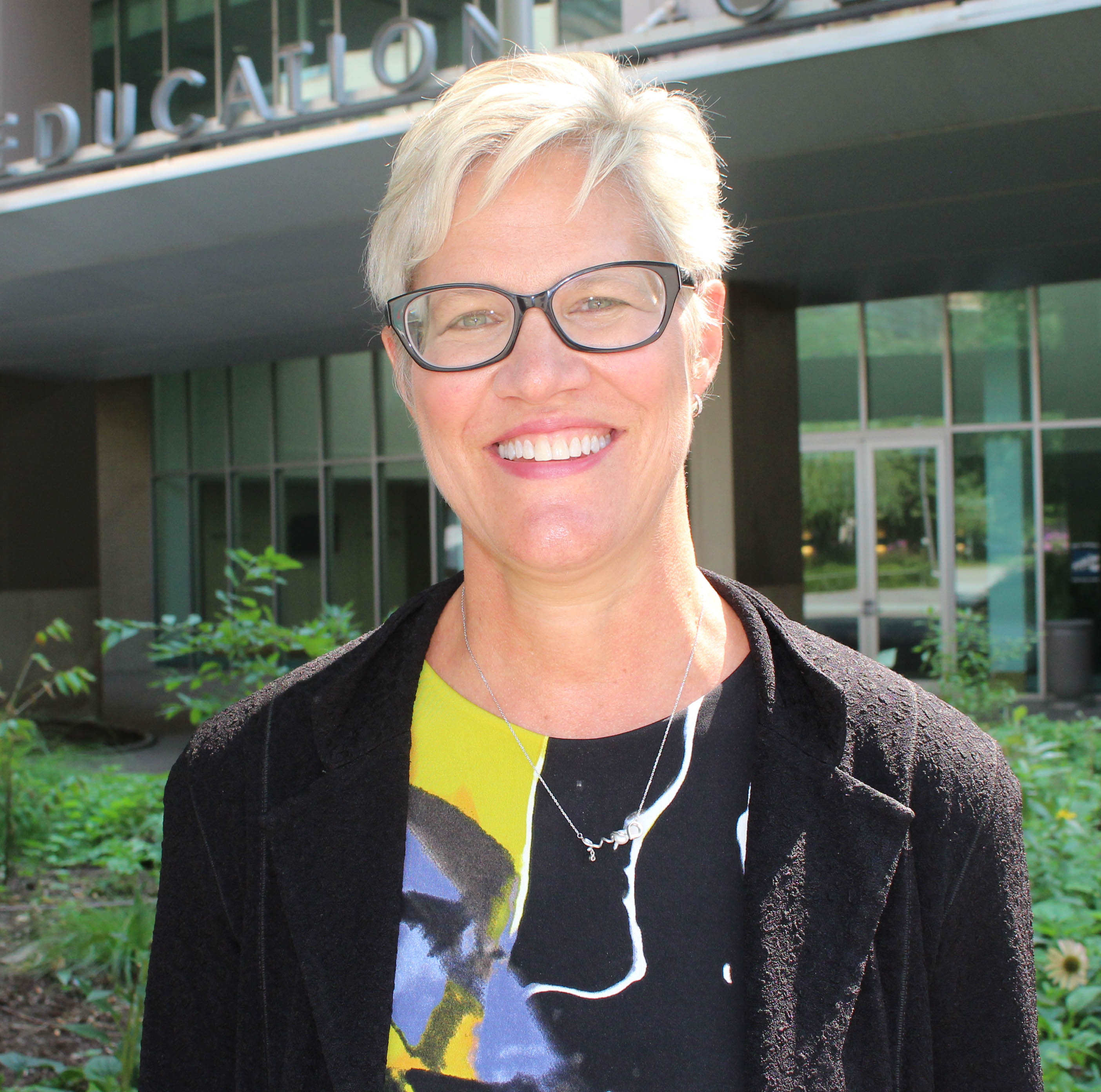
We know obesity can affect women’s health in several ways (see episode 7 – At the Intersection of Obesity and Women’s Health with Dr. Paola Gehrig). But can obesity in one generation create genetic changes that will carry through several generations? Dr. Kelle Moley of the Washington University in St. Louis Department of Obstetrics and Gynecology sat down with the Women’s Healthcast to discuss her research in mouse models that suggests obesity can change our mitochondrial DNA and become a transgenerational trait.
And stick around until the end of the episode for a bonus interview with Dr. Jonathan Kohler, pediatric general surgeon in the UW-Madison Department of Surgery and host of the Surgery Sett, a podcast about the ideas, inventions and innovations of the worldwide surgical community. Learn about why he wanted to to pull back the curtain on surgery with his podcast.
Wednesday Jul 11, 2018
Wednesday Jul 11, 2018
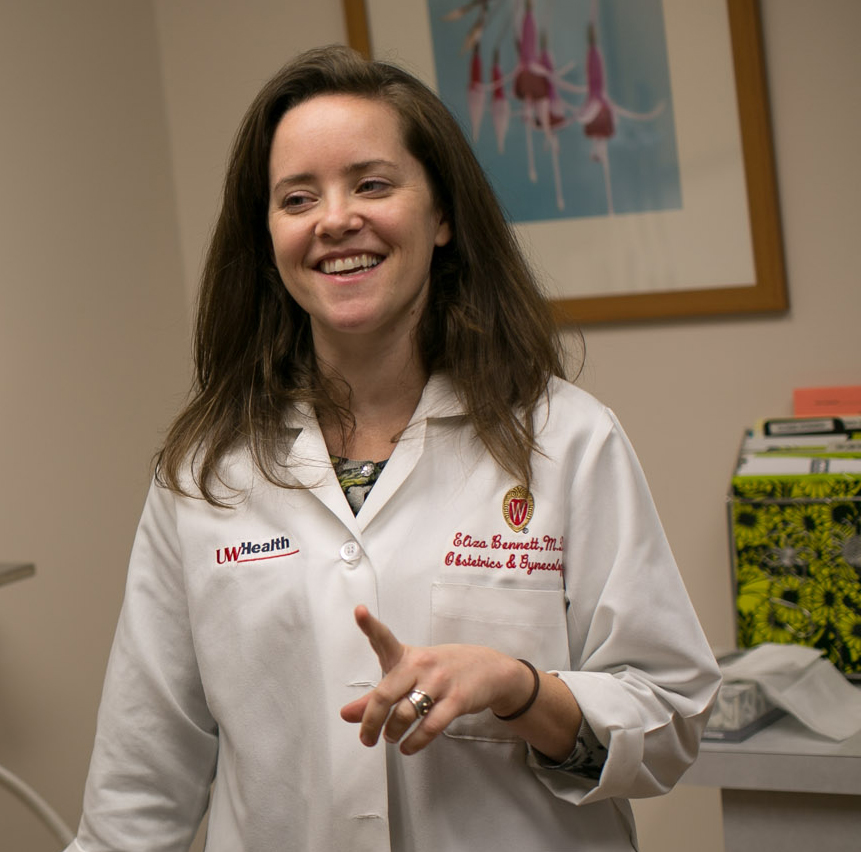
In All About Birth Control, Part 2, Dr. Eliza Bennett tells us about how long-acting reversible contraceptives (think IUD or implant) work and provides an overview of permanent birth control methods. She also answered questions from listeners about birth control and pregnancy - when to stop before pregnancy, when to start back up after birth, and how different methods affect breastfeeding.
Dr. Bennett is an ob-gyn and expert in Family Planning in the UW Department of Ob-Gyn. If you missed All About Birth Control, Part 1, check it out to learn about how contraceptives work and how Dr. Bennett helps patients think through the right birth control options for them, as well as an in-depth conversation about the pill.