
193.6K
Downloads
131
Episodes
The latest on ob-gyn health issues and innovations, from the University of Wisconsin-Madison Department of Obstetrics & Gynecology. Not medical advice! obgyn.wisc.edu
Episodes

May 8, 2019
May 8, 2019
23 min
Most women - up to 75 percent, according to Dr. Julianne Zweifel - will experience some mood changes in the first couple weeks after having a baby. But for between 12 and 20 percent of those women, the symptoms will extend beyond the first few weeks of parenthood, edging into perinatal mood disorder territory. On this episode, Dr. Zweifel discusses common perinatal mood disorders like postpartum depression and anxiety, what we know about the causes of perinatal mood disorders, and the variety of available treatments. Dr. Zweifel is a health psychologist in the UW-Madison Department of Obstetrics and Gynecology.
Apr 24, 2019
Apr 24, 2019
12 min
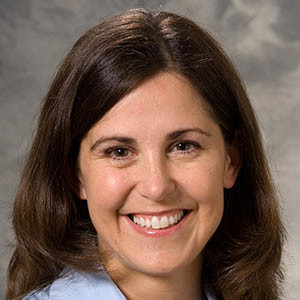
The well woman visit – the annual check-up with a gynecologist – is not always anticipated with excitement. But this regularly-scheduled visit is a great opportunity to check in with your healthcare provider about mental and physical health concerns and get crucial cancer screenings. On this episode of the Women's Healthcast, Dr. Cynthie Wautlet walks us through what to expect during the well woman visit and explains the different recommendations around HPV and Pap tests. Dr. Wautlet is an assistant professor in the UW-Madison Department of Obstetrics and Gynecology.
Apr 11, 2019
Apr 11, 2019
15 min
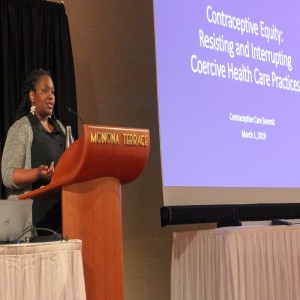
In early March, the UW Department of Ob-Gyn hosted the first-ever Wisconsin Contraceptive Care Summit, helping women’s health providers and advocates strengthen their contraceptive care skills through a reproductive justice lens. At the Summit, Lyanne Jordan sat down with the Women’s Healthcast to discuss why contraceptive care and maternal healthcare need to be grounded in the principles of reproductive justice. Lyanne is director of doula services at Maroon Calabash, a community-based doula program in Milwaukee, Wisconsin. Learn more about Lyanne’s work supporting maternal health at https://www.marooncalabash.com/.
Mar 27, 2019
Mar 27, 2019
23 min
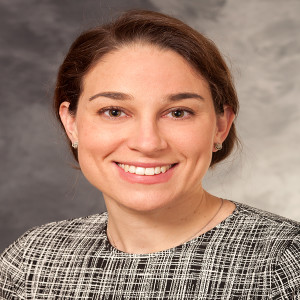
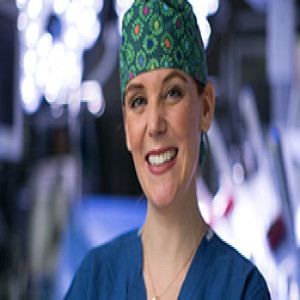
More than half the world's population menstruates. But for such a common biological process, how many of us really understand the mechanics of the menstrual cycle? Dr. Lauren Verrilli, 4th-year UW Ob-Gyn resident and soon to be reproductive endocrinology and infertility fellow at the University of Utah, joined the Women's Healthcast to explain what's happening during periods and dispel some common menstrual myths.
Mar 13, 2019
Mar 13, 2019
22 min
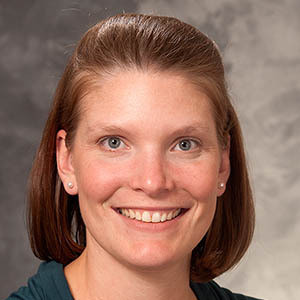
Endometriosis affects around one 1 in 10 women, who can experience symptoms like pelvic pain, irregular bleeding, pain during sex, and much more. In honor of Endometriosis Awareness Month, UW Ob-Gyn minimally invasive gynecologic surgeon Dr. Cara King joined the Women's Healthcast to discuss endometriosis symptoms, different paths for treatment, and what she thinks needs to change to help endometriosis patients get to a diagnosis faster.
Feb 27, 2019
Feb 27, 2019
25 min
Spring break season is nearly upon us, and a warm weather getaway sounds pretty amazing after this brutal winter. But traveling to tropical locations – and traveling in general – could present some extra challenges for people who are pregnant. Dr. Katie Antony is a maternal-fetal medicine specialist in the UW-Madison Department of Obstetrics and Gynecology. On this episode, she shares her recommendations for safe travel while pregnant.
Dr. Antony is also a leading researcher on Zika virus – she provided an update on Zika virus risks around the world, and why Zika is a concern for people who are pregnant or planning to become pregnant.
Feb 13, 2019
Feb 13, 2019
20 min
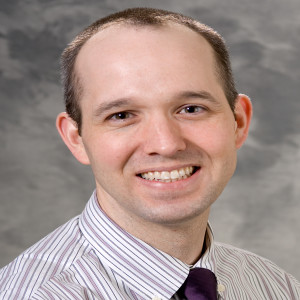
On the last episode of the Women’s Healthcast, Dr. Ryan McDonald joined us to talk about C-sections - if you missed it, check out Preparing for Cesarean Delivery to learn about what happens during C-section, and possible risks/complications.
On this episode, Dr. McDonald is back to discuss recovering from C-section delivery, breastfeeding after the surgery, and how having a C-section could affect future pregnancies or deliveries. Dr. McDonald is an ob-gyn and assistant professor in the UW-Madison Department of Obstetrics and Gynecology.
Jan 23, 2019
Jan 23, 2019
20 min
Cesarean deliveries, or C-sections, are among the most common surgical procedures performed in the United States. Nearly one in three babies is delivered via cesarean. But even though C-sections are incredibly common, they’re still a major abdominal surgery. In part one of a two-episode series, Dr. Ryan McDonald walks us through what happens during a cesarean delivery, potential risks or complications, and how he helps patients prepare for the possibility they might need a C-section. Dr. McDonald is an ob-gyn and assistant professor in the UW-Madison Department of Obstetrics and Gynecology.
On the next episode, Dr. McDonald will be back to talk about recovering from C-section, how it can affect breastfeeding, and special considerations for future pregnancies after cesarean.
Jan 9, 2019
Jan 9, 2019
15 min
Medical innovations, from cold medicine to chemotherapy, happen with the help of clinical trials. But how do trials get started? Who pays for the research? And does who participates make a difference?
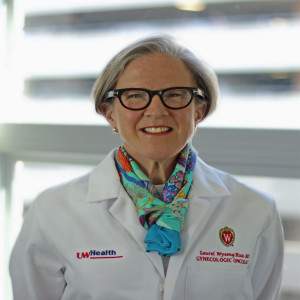
Dr. Laurel Rice talks about why clinical trials are the gold standard for medical research, how researchers make trial participation as safe as possible, and why it's crucial that studies recruit diverse groups of patients.
Dr. Rice is a gynecologic oncologist and chair of the UW-Madison Department of Obstetrics and Gynecology.

Dec 12, 2018
Dec 12, 2018
28 min
What matters to you when choosing a birth control? Effectiveness, ease of use, safety…what about how it affects your sex life? It’s not uncommon to remove sexuality from conversations about choosing contraceptives, even though people who feel their birth control method has a negative effect on their sexuality are more likely to discontinue the method.
Jenny Higgins, PhD, professor of Gender and Women’s Studies at the University of Wisconsin-Madison, discussed why birth control research that doesn’t consider pleasure and sexuality is bad science, and why she thinks there’s hope for closing the pleasure deficit.